
Asphyxiating Thoracic Dystrophy / Jeune Syndrome
Asphyxiating Thoracic Dystrophy / Jeune Syndrome
Also known as:Asphyxiating Thoracic Dystrophy, Jeune Syndrome, Short-rib Thoracic Dysplasia-related Conditions
Jeune Syndrome is a genetic skeletal ciliopathy, often presenting with a narrow chest, short ribs, short limbs, and respiratory problems in infancy, with possible involvement of kidneys, liver, or retina.
Start Here
A quick guide to the next step: which department to start with, what to prepare, and what to ask.
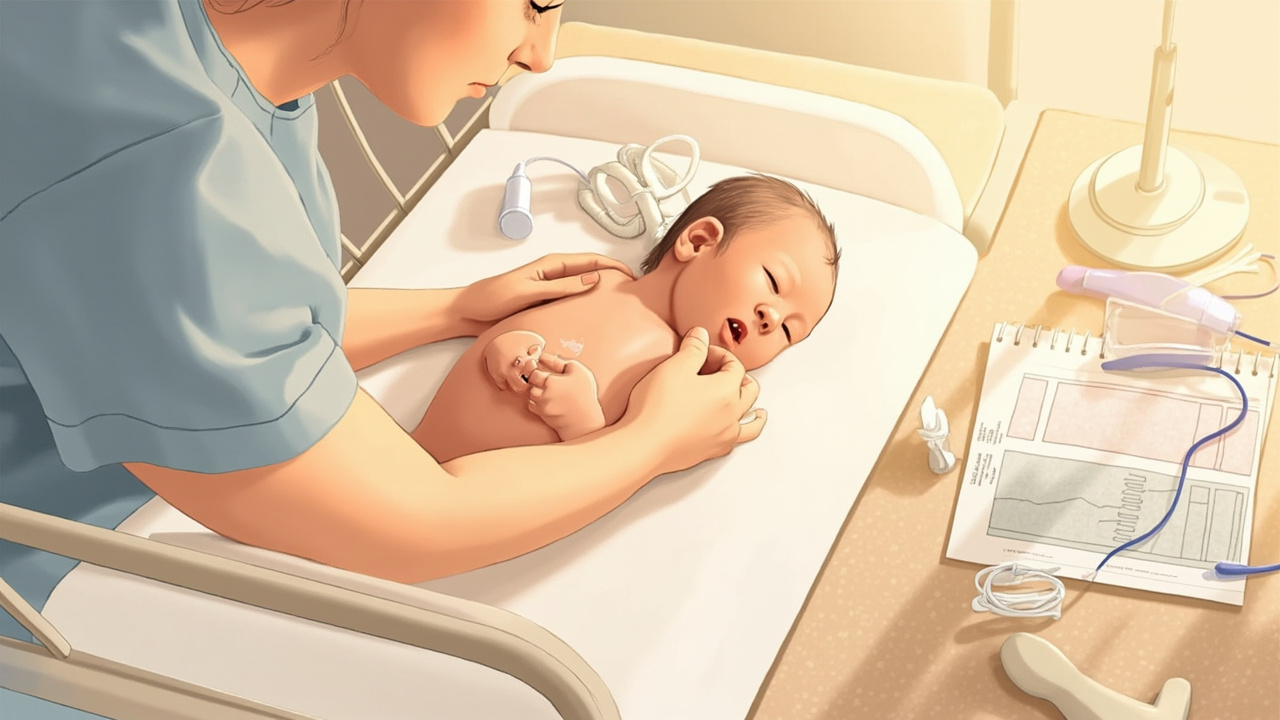
For newborns or infants with breathing difficulties, start with pediatrics, neonatology, or emergency medicine; after stabilization, evaluation typically involves pediatric pulmonology, orthopedics, nephrology, ophthalmology, and genetic counseling.
A narrow chest limits lung expansion. Severe cases may develop respiratory distress shortly after birth. Some children improve over time, but ongoing monitoring is needed for kidney, liver, pancreas, teeth, and retinal involvement.
Current management focuses on respiratory support, infection prevention, nutrition, growth and development, and multi-organ follow-up; a few patients with severe chest restriction may need surgical evaluation by a specialized team.
Typically autosomal recessive inheritance, with multiple associated genes. Diagnosis and family risk assessment require genetic testing combined with genetic counseling.
Mild cases may be mistaken for a small chest, recurrent respiratory infections, or short stature, without integrating skeletal, respiratory, renal, and ocular clues into a unified assessment.
This page helps patients and families organize care leads. It does not replace a clinician’s diagnosis or treatment plan. For testing, medication, referrals, emergency care, and support applications, follow qualified clinicians, medical institutions, support organizations, and official sources.
Diagnosis Path
Organized around the practical patient journey: identify clues, avoid common delays, then prepare for care.
When to Suspect It
- Narrow chest apparent at birth or in infancy with rapid, labored breathing or recurrent low oxygen.
- Short limbs, short ribs, short stature, or associated polydactyly (extra fingers/toes) and other skeletal clues.
- Recurrent respiratory infections, feeding difficulties, or impaired growth and development.
- Skeletal abnormalities alongside kidney, liver, or vision-related issues.
- Family history of similar narrow chest, infant respiratory failure, or short-rib skeletal dysplasia.
Common Wrong Turns
- Treating only as pneumonia or wheezing without assessing chest and skeletal development.
- Seeing only orthopedics without simultaneous evaluation of respiratory reserve and multi-system involvement.
- Stopping follow-up after the neonatal period, missing later risks of kidney, liver, or retinal disease.
Departments to Start With
- Pediatrics or Neonatology
- Pediatric Pulmonology
- Pediatric Orthopedics
- Pediatric Nephrology
- Genetic Counseling Clinic
Before the Visit
- Gather birth records, chest X-rays or skeletal imaging, respiratory support records, and oxygen saturation data.
- Record height, weight, growth curve, limb proportions, polydactyly, and family history.
- Bring kidney function, liver function, eye exam results, and previous infection-related hospitalization records.
- Confirm with your doctor whether genetic testing for short-rib thoracic dysplasia-related genes is needed.
Tests to Ask About
- Chest and skeletal imaging to evaluate chest, ribs, limbs, and pelvis.
- Oxygen saturation, respiratory function, or sleep breathing assessments.
- Kidney function, urinalysis, liver function, and abdominal ultrasound.
- Ophthalmology examination, focusing on retinal findings.
- Related genetic testing and family verification.
Questions for the Doctor
- What stage of respiratory risk are we at, and what signs should we monitor at home?
- Is long-term oxygen therapy, non-invasive ventilation, or other respiratory support needed?
- How often should kidney, liver, and eye follow-ups be scheduled?
- Is chest surgery an option, and what conditions must be met?
- How is the genetic risk assessed for future pregnancies or family members?
Basic Information
Medical Notes
More complete medical explanations are kept here for discussion with clinicians.
Symptoms
Jeune Syndrome often presents with a narrow chest, short ribs, short limbs, short stature, and breathing difficulties in infancy. Some patients may have polydactyly, pelvic or clavicular abnormalities, or other skeletal findings. Severe chest restriction may lead to recurrent low oxygen or respiratory failure.
Patients who survive infancy still need monitoring for kidney, liver, pancreas, tooth, and retinal involvement.
Diagnosis
Diagnosis typically combines birth and respiratory history, chest and skeletal imaging, physical examination, multi-system screening, and genetic testing. Doctors will differentiate from other short-rib thoracic dysplasias, achondroplasia-like disorders, and other skeletal ciliopathies.
Treatment
Treatment is primarily supportive and managed by a multi-disciplinary team, including respiratory support, infection prevention, nutritional support, growth and development monitoring, and kidney, liver, and eye follow-up. Whether chest surgery is needed should be evaluated jointly by an experienced pediatric orthopedic, pulmonology, and critical care team.
Long-term Care
Long-term care focuses on respiratory stability, recurrent infection prevention, nutrition, growth and development, kidney function, liver function, and retinal follow-up. Families should agree with their care team on a plan for handling acute breathing difficulty, fever or infection, and low oxygen.
Fertility and Family
This condition is mostly autosomal recessive with multiple associated genes. After diagnosis, genetic counseling is recommended to discuss parental carrier testing, recurrence risk for future pregnancies, and options such as prenatal or preimplantation genetic testing.
When to Seek Urgent Care
Seek immediate medical care if an infant shows rapid breathing, chest retractions, blue lips, feeding difficulties, decreased alertness, dropping oxygen levels, or worsening breathing with fever. For patients with known kidney or liver involvement, also seek prompt evaluation if there is decreased urine output, noticeable swelling, or worsening jaundice.
Prognosis
Prognosis depends on the degree of chest narrowing, need for respiratory support, and multi-system involvement. Even after the early respiratory risk period, long-term follow-up is needed.
Care Resources
No verified hospital or department leads are available for this disease yet. Use the starting departments below to prepare, and confirm registration or referral details with clinicians and official hospital channels.